
large oval bathroom mirror
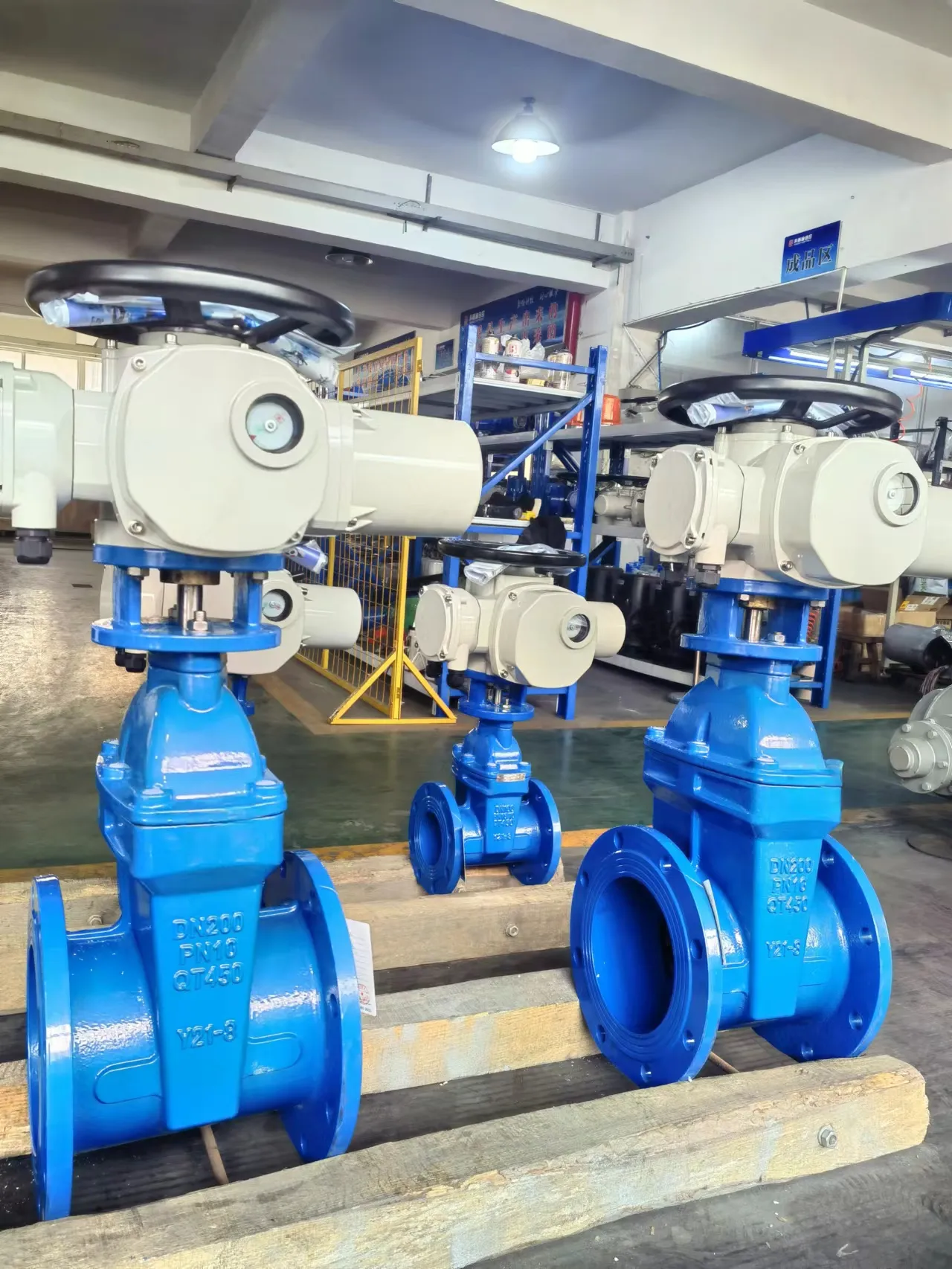
Understanding 3-Way Gate Valves A Comprehensive Overview In various industrial applications, the need for effective fluid control and management is paramount. Among the numerous types of valves used in piping systems, the 3-way gate valve stands out for its unique functionality and versatility. This article aims to provide a comprehensive understanding of the 3-way gate valve, its applications, advantages, and operational principles. What is a 3-Way Gate Valve? A 3-way gate valve is a type of valve that enables the control of fluid flow in three different directions. It features a robust gate mechanism, which is designed to open and close to either allow or block the flow of liquids or gases. Typically constructed from materials like stainless steel, brass, or cast iron, these valves are designed to withstand high pressures and temperatures, making them suitable for demanding industrial environments. Design and Structure The design of a 3-way gate valve includes three ports one inlet and two outlets, or vice versa, depending on the fluid flow requirements. The valve operates by either lifting or lowering a gate that fits snugly within the valve body. This mechanism allows for a straight flow path when the valve is fully opened, minimizing turbulence and pressure loss. In contrast to other valve types, the 3-way design is particularly beneficial in applications requiring the redirection of flow or the mixing of different fluid streams. Applications 3-way gate valves find their applications in a variety of areas, including 1. Water Treatment Facilities They are often used to control flow directions in treatment plants, ensuring optimal water quality and distribution. 2. Oil and Gas Operations In the extraction and transportation of hydrocarbons, these valves manage the flow between different pipelines and storage tanks. 3 . Chemical Processing The ability to control and redirect aggressive chemicals safely makes 3-way gate valves essential in chemical manufacturing settings. 3 way gate valve 4. HVAC Systems In heating, ventilation, and air conditioning systems, they help regulate and redirect airflow efficiently. Advantages of 3-Way Gate Valves The implementation of a 3-way gate valve in industrial systems offers a multitude of advantages 1. Versatility The ability to direct flow through multiple channels allows for greater flexibility in system design. 2. Reduced Pressure Drops When fully opened, the gate mechanism minimizes resistance to flow, resulting in lower pressure drops compared to other valve types. 3. Simplified Maintenance 3-way gate valves generally require less maintenance due to their straightforward design, leading to reduced downtime in industrial operations. 4. Durability Constructed from robust materials, these valves can withstand harsh operating conditions, ensuring a long service life. Operational Principles The operation of a 3-way gate valve is relatively simple. When the actuator (manual or automated) rotates or moves the valve stem, the gate rises or falls. For switching the flow direction, the valve can be turned to an intermediary position, allowing flow through one outlet while blocking the other. This ability to regulate multiple paths is particularly beneficial in systems where efficiency and directionality are crucial. Conclusion 3-way gate valves represent a crucial component in the realm of fluid control and management across numerous industries. Their unique design, combined with the ability to manage flow in multiple directions, provides significant advantages over traditional gate valves. As industries continue to evolve, the demand for efficient and reliable valve systems, including 3-way gate valves, will likely increase. Understanding their operation, applications, and benefits is essential for engineers and operators tasked with designing and maintaining fluid systems that meet stringent performance criteria. In summary, the 3-way gate valve is not just a mechanical device, but a pivotal element that enhances operational efficiency and safety in various industrial processes.
about
large oval bathroom mirror
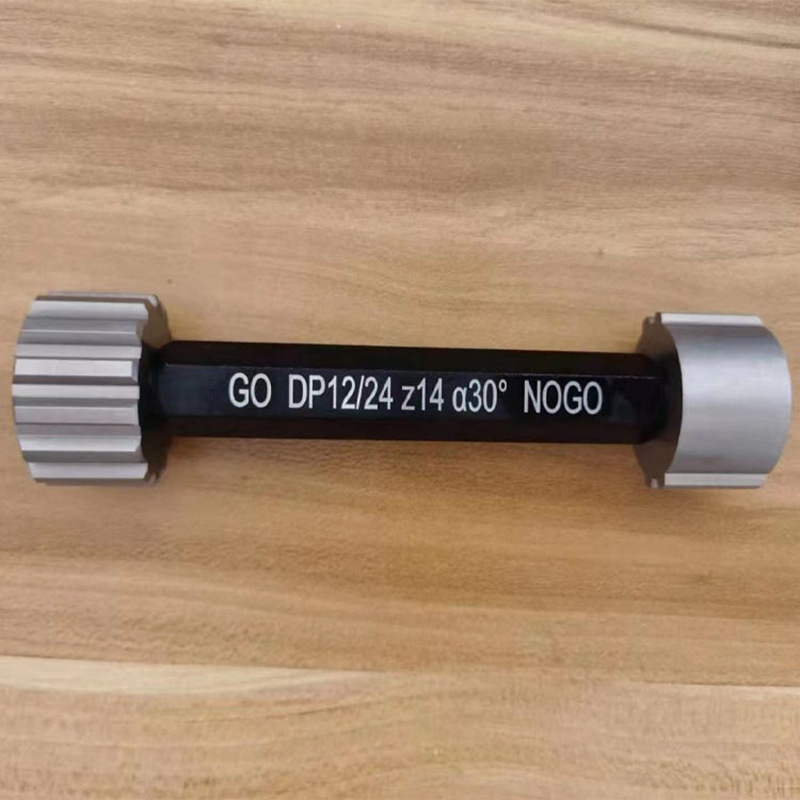
Understanding Thread Setting Plug Gages Essential Tools for Precision and Quality Control In the world of manufacturing and quality control, precision is paramount. One of the key components that ensure the integrity of threaded components is the thread setting plug gage. This tool serves as both a measuring device and a quality assurance instrument, ensuring that threaded holes meet specific standards and tolerances. This article delves into the significance, types, applications, and benefits of thread setting plug gages. What is a Thread Setting Plug Gage? A thread setting plug gage is a precision tool used to measure the size and shape of internal threads in a workpiece. It is designed to fit into a threaded hole and verify that the threads conform to predetermined specifications. Unlike other measuring devices, a plug gage does not take a direct measurement but provides a pass/fail assessment based on whether the gage fits correctly. Typically, thread setting plug gages are made of high-carbon steel or other durable materials that resist wear and maintain an accurate profile over time. They often feature the nominal size of the thread marked on them and are critical in various industries where threaded components are integral, such as automotive, aerospace, and machinery. Types of Thread Setting Plug Gages Thread setting plug gages come in several types, each designed for specific applications and standards 1. Go Gage The Go side of the gage is designed to fit into the acceptable range of a threaded hole. If the Go gage can enter the hole smoothly, the threads are deemed acceptable. 2. No-Go Gage Conversely, the No-Go side is intentionally undersized to verify that the threaded hole is not oversized. If the No-Go gage can enter the hole, it indicates that the threads do not meet the specified tolerances. 3. Adjustable Gages Some applications may require adjustable thread gages, allowing operators to set the tolerance levels according to specific needs or materials. 4. Standard Gages These are designed based on common thread specifications like Unified National Thread, Metric thread, and British Standard Whitworth. Applications of Thread Setting Plug Gages thread setting plug gage Thread setting plug gages are utilized across numerous sectors to ensure the reliability and performance of threaded components - Quality Control In manufacturing environments, these gages are integral to quality assurance processes, ensuring that every threaded piece produced meets industry standards and specifications. - Calibration Thread gages are also used in calibration processes to ensure that machine tools are performing within the required specifications for thread cutting and machining. - Inspection During final inspection stages, thread setting plug gages help confirm that parts will fit together as intended, preventing assembly issues in the final product. Benefits of Using Thread Setting Plug Gages Utilizing thread setting plug gages offers numerous advantages, including - Precision They provide a quick and reliable pass/fail assessment that ensures high manufacturing standards. - Cost-Effectiveness By reducing the likelihood of defects, businesses can save on resources and costs associated with rework, scrap, and warranty claims. - Efficiency Gages can be easily used in conjunction with other inspection tools, streamlining the quality control process and facilitating quicker production cycles. - Ease of Use Thread setting plug gages are designed to be user-friendly, making it easy for operators to conduct inspections without needing extensive training. Conclusion Thread setting plug gages are indispensable tools in the realm of manufacturing and quality assurance. By ensuring that threaded components meet strict specifications, these gages contribute to higher product quality, enhanced reliability, and improved operational efficiency. As industries continue to advance and demand for precision increases, the importance of reliable measuring tools like thread setting plug gages will only become more pronounced. Understanding their role and maintaining them properly can lead to better outcomes in production and engineering processes, ultimately benefiting manufacturers and consumers alike.
-

High quality industrial productsagement

High quality industrial products
View Details -

Meet the diverse needs of customers

Meet the diverse needs of customers
View Details -

Strict quality control

Strict quality control
View Details -

Top raw materials

Top raw materials
View Details -

Trusted supplier

Trusted supplier
View Details
Our application

news and information
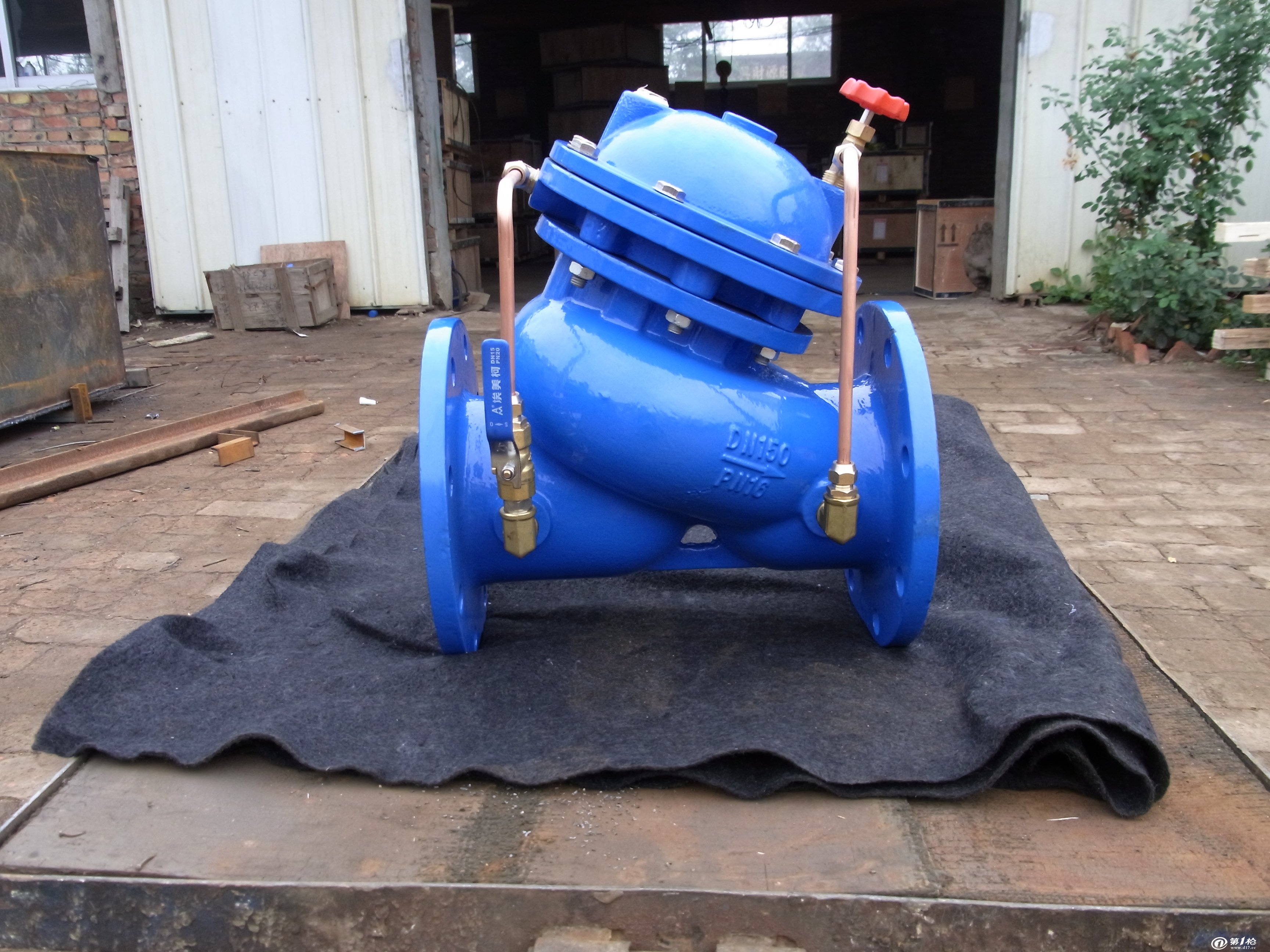
Válvula de retenção da mangueira de água
Válvula de Retenção para Mangueira de Água Uma Solução Eficiente para o Controle de Fluxo As manguei
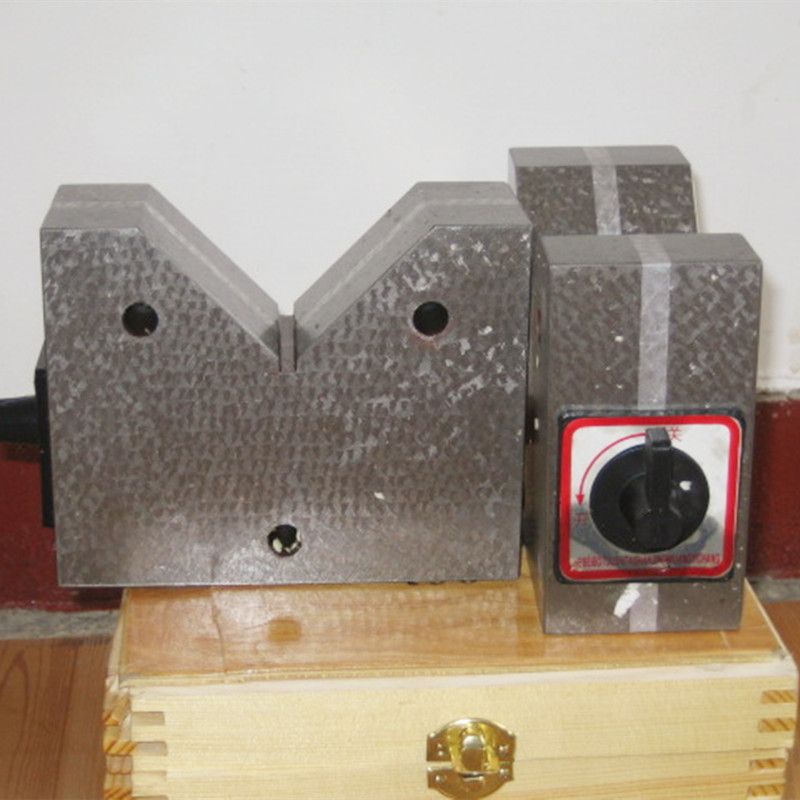
v block & clamp
The Importance of V-Block and Clamp in Precision Workholding In various machining and manufacturing
Various Types of Micrometers and Their Applications in Precision Measurement
Types of Micrometers A Comprehensive Guide Micrometers are precision measuring instruments commonly
 English